Writing a press release, before and after
The three things a journalist needs, the two releases that deliver them, and what the named contact says when somebody rings back.
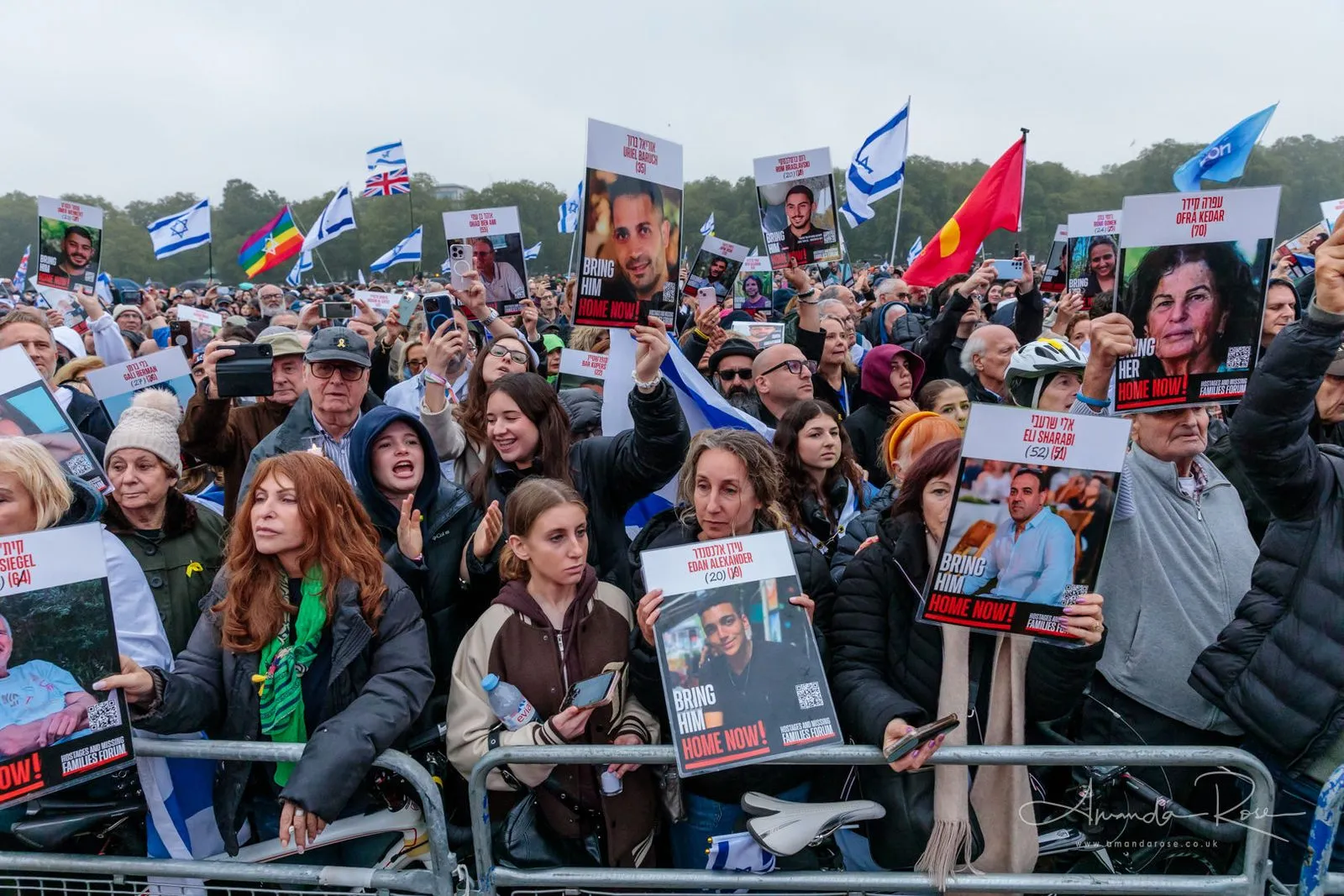
The short version
- A journalist needs a story, a person and a picture. Missing one of the three is what usually accounts for the silence.
- Write two releases. The advance notice gets somebody to turn up. The follow-up covers everybody who did not, and it is the one that usually works.
- An editor cuts from the bottom, so nothing that matters can sit at the bottom.
- Say when the photograph happens and where a photographer can stand. Almost nobody includes this and it is the most useful line on the page.
- One named contact, with three sentences decided before the phone rings. Never let a journalist interview whoever is nearest.
What you need5 items
- The event details already fixed, meaning format, place, start time and end time
- One person who has agreed to be the named contact and to answer their phone all day
- Three sentences that person will say if a journalist rings, written down rather than remembered
- A phone that takes usable photographs, and somebody whose only job is taking them
- The names and stated standing of the two people you are quoting
Contents 12 sections
- What a journalist needs before any of it runs
- The two releases
- An editor cuts from the bottom
- The headline is for the editor, not the public
- Two quotes, written to be lifted
- Give the honest number
- Say when the picture happens and where to stand
- Format, timing and embargoes
- An advance notice, written out
- When nobody comes
- A contact who answers, and what they say
- Both releases, the same evening
Most campaign groups get no coverage and conclude the press is hostile. Sometimes it is. More often nobody sent them anything they could actually use.
What a journalist needs before any of it runs
Three, and a missing one accounts for most of the silence.
A story, meaning something new, something happening on a stated day, or a number nobody had. Not a position. “We are concerned about” is not a story.
A person who will be named and quoted, and who is affected rather than professionally interested. A student describing what happened to them is a story. A spokesperson expressing concern is a paragraph nobody prints.
A picture, or the possibility of one. Print and broadcast both need an image, and an event that photographs well gets covered more than one that does not.
A press release is the email that carries all three. No register to join and no sign-off to get: if your event has a date and a place you can write it tonight. Write two.
The two releases
The advance notice exists to get a journalist or a photographer to physically turn up. An invitation with a story attached, sent before the day.
The follow-up exists for everybody who did not come, which will be nearly all of them. It carries what happened, the real numbers, a quote and a photograph. A newsdesk that ignored your invitation will still run a picture and four paragraphs when both arrive finished.
Writing only the advance notice is the commonest failure in this whole area, because it is the one that feels like the real work. The follow-up is the one that gets you covered.
An editor cuts from the bottom
Copy is made to fit by deleting from the end. Nobody hunts for your weakest paragraph; they cut the last one, then the one above it.
So put your most important fact first and your least important last, and let the thing survive being cut to a third of its length. In practice that means no scene setting, no history and no “in recent months”.
Which makes the first paragraph the whole story: around forty words saying what is happening, who is doing it, where, when, and why anybody outside your group would care. Cover the rest with your hand, and what remains should let somebody file a two-sentence item.
The headline is for the editor, not the public
It is a label on internal post, and its job is that a busy person can tell in one second what this is. Describe, do not slogan.
Weak: Our community stands united against hate.
Strong: Vigil for vandalised synagogue, Thursday 17 September, 6pm, Market Square.
A headline that would work on a placard is the wrong headline. If yours carries no event, no time and no place, write it again.
Two quotes, written to be lifted
Two at most, each attributed to a named person with a stated standing. A quote from “a spokesperson” carries less than one from somebody with an obvious reason to speak. A journalist lifts a quote word for word or drops it, and will not rescue one that reads as though a committee approved it, so write it the way a person actually talks.
Weak: “We are deeply concerned by the recent increase in incidents and call on all relevant stakeholders to work together to address this issue.”
Strong: “My daughter asked me last night whether we still go on Saturday. That is the question I want this town to sit with.” Sarah Cohen, a parent at the synagogue’s cheder.
A quote makes a claim, carries a feeling, or tells you something you did not know. If it does none of those, cut it.
Give the honest number
Any figure you write down is checked against the photographs, by the person deciding whether to believe you next time. So state what you genuinely expect: if fifty people have said they will definitely come, expect twenty five to thirty five, and write that range.
A group that promises two thousand and produces three hundred does not get a correction. It gets quietly dropped from that outlet’s contacts, and nobody tells you. Have somebody count on the day, and put the real number in the follow-up.
Say when the picture happens and where to stand
Naming the moment and the position also tells anybody hostile where and when to be. Where that is a real risk, give the position to named photographers by phone instead.
That caution made, it is the most useful line an advance notice can carry and organisers almost never include it. A photographer needs the moment and the spot to stand in, with a time on both, in the form the specimen below uses. Work the spot out when you walk the site: the angle that holds your crowd rather than the gaps around it.
Format, timing and embargoes
Put it in the body of the email, never as an attachment: a newsdesk on deadline does not open a document from a sender it does not recognise. Subject line, the headline. Then the release, then the contact details. Send it to the particular journalist who covers this, never as a mass email with forty names in the header.
The advance notice goes a few days ahead for a daily or an online outlet, longer for a weekly. Follow up once, briefly, the day before. Once, not three times. The follow-up goes out within two hours of the finish and never the next morning, because by then your event is not news. Which is why you draft it beforehand with the numbers left blank.
You almost certainly do not need an embargo, and one on an event anybody can walk past reads as self-importance.
An advance notice, written out
Vigil for vandalised synagogue, Thursday 17 September, 6pm, Market Square
Between 90 and 130 residents will hold a candlelit vigil in Market Square on Thursday 17 September at 6pm. It is held a week after the Beth Shalom synagogue was daubed with swastikas, and it finishes at 6.40pm.
The building was attacked on the night of 10 September. It is the third such incident there in eighteen months and nobody has been charged.
“My daughter asked me last night whether we still go on Saturday. That is the question I want this town to sit with.” Sarah Cohen, a parent at the synagogue’s cheder and one of the organisers.
Photographs. Candles are lit at 6.15pm. The steps on the north side of the square put the crowd against the synagogue frontage. Two speakers are available for interview from 5.30pm.
Contact. Daniel Weiss, organiser, 07700 900412, answered from 8am on Thursday until 10pm.
That is 153 words. Notice what it leaves out. No history of the town, no demand, no paragraph explaining antisemitism.
When nobody comes
Most of the time nobody arrives. That is the ordinary outcome and not a verdict on your event, and it is exactly why the follow-up matters: you hold the two things the outlet cannot get for itself, a photograph and a count.
So take the pictures yourself, assuming nobody else will. One wide shot showing the crowd, one close shot of a single human moment, and nobody in frame who did not agree to it.
A contact who answers, and what they say
Before you put a name and a mobile number on a public document, be sure that person has agreed with their eyes open. Anybody can read that release, including people who will use the number to abuse them.
One name, one number, and somebody who has agreed to keep that phone charged and in their hand from morning until late evening. A release with a number nobody answers wastes every hour above it: the journalist has a deadline in forty minutes and moves on.
Brief everybody else that they do not speak to press, and hand them the sentence that gets them out of it. The commonest way a small story becomes a bad one is a journalist interviewing an enthusiastic participant who had agreed a line with nobody.
“If anybody with a notebook asks you anything, send them to Sara and give them her number. That’s all any of us says.”
Decide your three sentences before you pick up. What the thing is, why it matters, what you want to happen. Write them down, say them, then stop: the sentence after the one you prepared is usually the one that gets quoted. A friendly journalist is still working, and nothing is off the record unless you agreed that before you said it.
You are allowed to say you do not know, provided you go back to them. Guessing is the expensive alternative. And do not speculate about motives, comment on events you were not present for, or be drawn on another organisation’s behaviour: those three account for most interviews that go wrong. Taken somewhere you had not agreed to go, say what you will talk about instead of arguing about it.
“I don’t know that off the top of my head, and I’m not going to comment on the other thing. What I can tell you about is what happened outside the town hall on Thursday.”
If it runs and it is wrong, that has its own guide: when coverage gets it wrong.
Both releases, the same evening
Fill in the blanks106 words
Two questions from memory. Which of the two releases gets you covered, and which one feels like the real work? And what are the three things a journalist needs?
Then write the cue, not the intention.
Action. If the date and the place are fixed, then I will write both releases the same evening and save the follow-up with the numbers left blank.
Coping. If it is ten past the finish and I am tired and want to go home, then I will fill in the count, paste in the best line I heard, take the photograph myself and send it before I leave the square.
- Title
- Writing a press release, before and after, Answer The Hate
- Source
- https://answerthehate.com/guides/the-press-release/
- Jurisdiction
- Applies to: Applies everywhere
- Last reviewed
- Last reviewed 4 August 2026. Check the website for a newer version before relying on this sheet.
- Status
- General information, not legal advice. Published by Stop The Hate.
Next
Where this page sits in the track- 01MED · Answer in the mediaSpeaking on televisionHow to find out what you have actually been booked into, what the camera does that has nothing to do with your words, and what to settle before you say yes.
- 02MED · Answer in the mediaWriting and placing an opinion pieceHow comment desks actually decide, why the only question that matters is why you and why now, and how to pitch a signed article when nobody has heard of you.
- 03MED · Answer in the mediaWhen coverage gets it wrongHow to tell a correctable factual error apart from a framing you object to, how to ask an outlet to fix the first, and when to leave it alone.
- 04MED · Answer in the mediaWriting a letter that gets printedHow to write a letter to a newspaper that actually runs, why speed beats quality, and what to do when it is not printed, which is most of the time.